Lifestyle
November 10, 2026
How to save energy at home this season
As the evenings draw in and the heating goes on, it is worth looking at how your home uses energy. Most of the changes that make a real difference are small, and many of them cost nothing at all. A warmer, more comfortable home and lower running costs tend to go hand in hand.
Here is where to start.
How can you stop heat escaping?
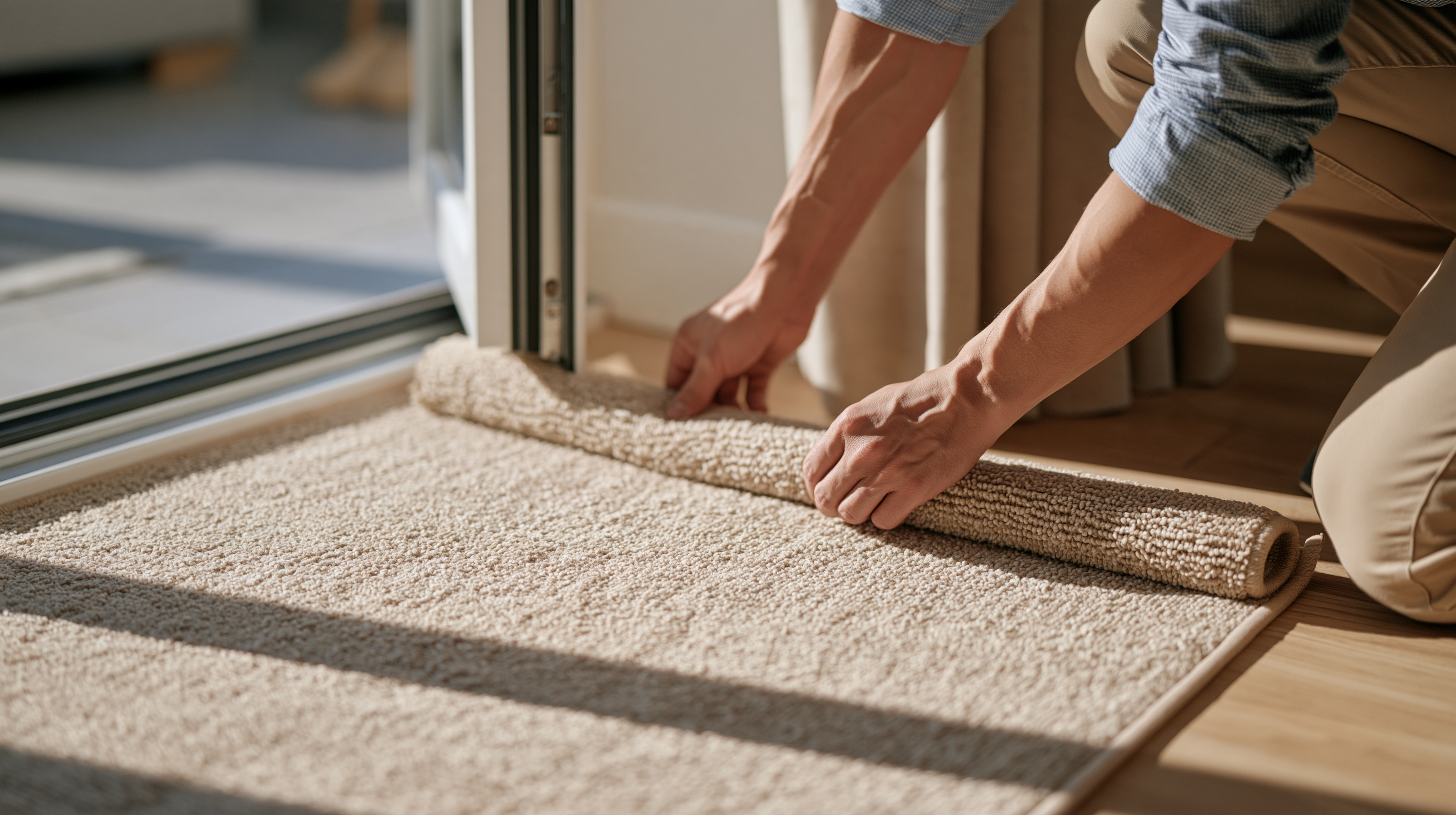
Keeping the heat you have already paid for is the most effective thing you can do.
Draughts are the usual culprit. Doors, windows, letterboxes, keyholes and unused chimneys all let warm air out and cold air in. Self-adhesive draught strips around door and window frames take minutes to fit and cost very little. A draught excluder at the bottom of an external door, a brush strip on the letterbox, and a chimney balloon in an unused fireplace all help.
Insulation is the bigger piece. Loft insulation is the most straightforward place to look, since warm air rises and a poorly insulated loft lets a lot of it go. If your loft has thin or compacted insulation, topping it up is one of the better investments you can make in your home. Cavity wall insulation and floor insulation are worth exploring too, depending on the age and construction of your property.
Curtains do more than you might think. Lined or thermal curtains closed at dusk keep warmth in the room, and leaving them open during the day lets in free heat from the sun.
What is the best way to use your heating?
Turning your thermostat down by a degree or two is the single easiest saving available, and most people do not notice the difference in comfort once they have adjusted. It is worth trying for a week before deciding.
Use the timer rather than heating the house around the clock. Set it to come on shortly before you get up and shortly before you get home, and to go off a little before you leave or go to bed, since a warm house holds its temperature for a while.
Thermostatic radiator valves let you heat rooms individually. There is no need to heat a spare bedroom to the same temperature as the living room. Turn the valves down in rooms you rarely use, though keeping a little warmth in them helps avoid damp.
Check that radiators are not blocked. A sofa pushed against a radiator absorbs the heat you are paying for, and a shelf or a long curtain hanging over one has the same effect. Moving furniture a few inches away lets the warm air circulate properly. If your radiators are warm at the bottom and cool at the top, they need bleeding.
Which appliances are worth keeping an eye on?
Appliances left on standby use power all the time. Televisions, games consoles, set-top boxes, laptop chargers and anything with a glowing light are all drawing energy while you are not using them. Switching off at the socket, or using a standby saver plug, is an easy habit to build.
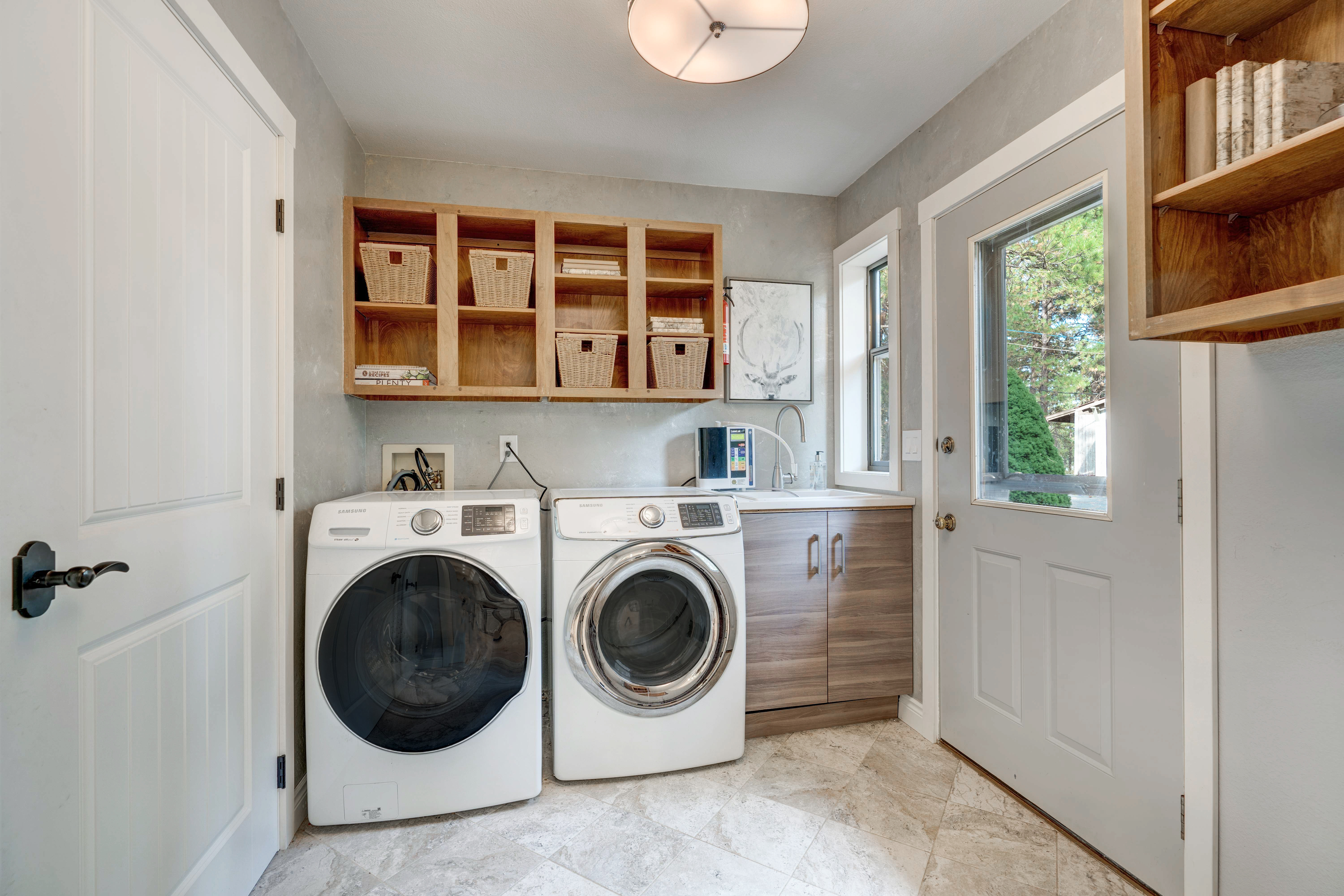
The tumble dryer is one of the most energy-hungry appliances in most homes. When the heating is on anyway, an airing rack dries clothes well enough. If you do use the dryer, running fuller loads and spinning clothes thoroughly first makes a difference.
The dishwasher is more efficient than washing by hand, provided you run it full and use the eco setting. The same goes for the washing machine, where washing at thirty degrees works perfectly well for everyday loads.
In the kitchen, fill the kettle only with what you need. Boiling a full kettle for one cup of tea several times a day adds up over a year.
How can you cut down on hot water?
Heating water is one of the largest costs in most homes after space heating.
Showers generally use less than baths, so keeping baths as an occasional treat rather than a daily habit helps. A water-efficient shower head reduces flow without affecting the feel of the shower, and a tap aerator does the same for taps.
If you have a hot water cylinder, check that it has a decent insulating jacket. An older cylinder with a thin jacket loses heat continuously, and replacing it is inexpensive.
Does a smart meter actually help?
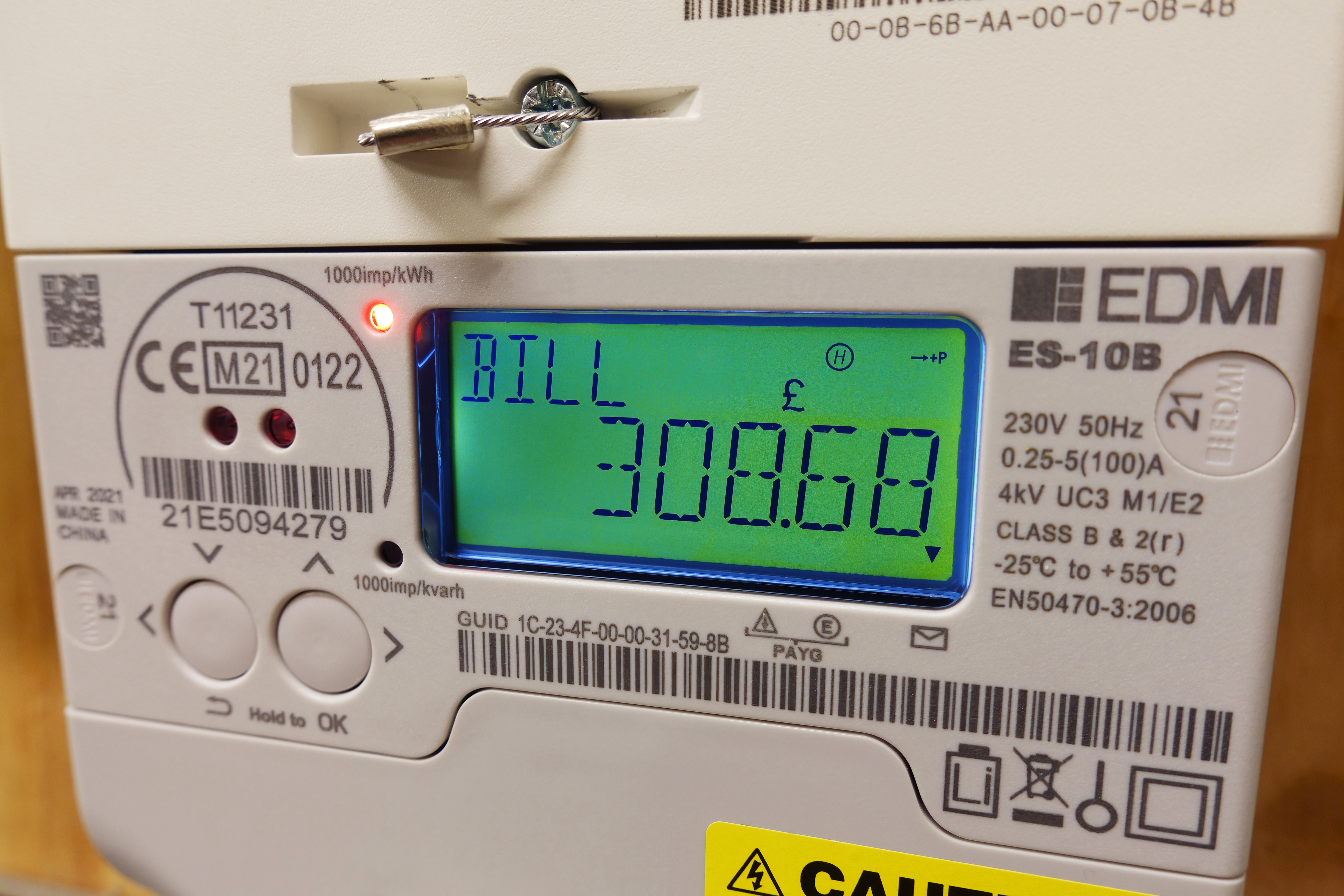
It can, though not on its own. A smart meter does not reduce your energy use, but it does show you what you are spending as you spend it, and seeing the number move when the dryer goes on is often what prompts a change in habit. They are provided at no extra cost by energy suppliers, so it is worth asking yours.
Beyond that, the smallest habits are the easiest to keep. Switching lights off when you leave a room, swapping any remaining halogen bulbs for LEDs, and putting decorative lights on a timer rather than leaving them on all evening all contribute without any real effort.
Frequently asked questions
What uses the most energy in a home?
Heating accounts for the largest share of most household energy use, followed by hot water. Among appliances, tumble dryers, ovens and electric showers tend to use the most.
Does turning the thermostat down really save money?
Yes. Lowering the temperature by a degree or two reduces the amount of energy needed to heat your home, and most people find they do not notice the difference in comfort.
Is it cheaper to leave the heating on low all day?
For most homes, no. Heating your home only when you need it, using a timer, uses less energy than keeping it on constantly at a lower setting.
What is the cheapest way to make my home warmer?
Draught-proofing. Strips around doors and windows, a draught excluder, and lined curtains closed at dusk all cost very little and make an immediate difference to how warm a room feels.
Are smart meters free?
Yes. Energy suppliers provide smart meters at no additional cost. Contact your supplier to arrange installation.
Looking for a home that is warm, comfortable and efficient to run? Your local Guild Member can help you find the right property. Or try our free online valuation tool to find out what your home is worth today.

The Guild is a UK-wide network of hand-selected independent estate agents across the UK. Whether you are buying, selling, letting, or renting, explore where our Members are.